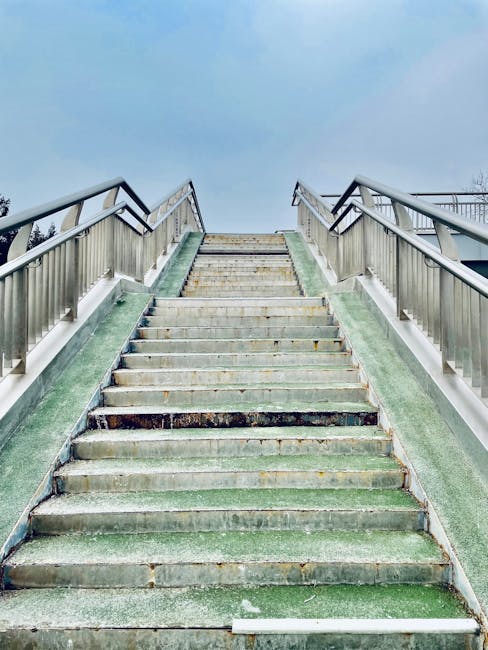
Beckenham Kelsey Park furniture removals and stair access: a practical guide for smoother, safer moves
If you are planning Beckenham Kelsey Park furniture removals and stair access, the tricky bit is rarely the van. It is the stairs. Narrow turns, awkward bannisters, heavy wardrobes, and a hallway that suddenly feels half the width it looked on the viewing day - that is where good planning saves time, money, and a fair bit of stress.
This guide breaks down what matters, how the move should work, and what to look out for if you are moving furniture in or around Kelsey Park, especially where upper-floor flats, maisonettes, and period properties are involved. You will also find a checklist, comparison table, common mistakes, and a few grounded tips from real-world moving situations. Let's face it: lifting a sofa up stairs is not the glamorous part of moving, but it is often the part that decides whether the day feels calm or chaotic.
Why Beckenham Kelsey Park furniture removals and stair access Matters
Furniture removals are already a physical job. Add stairs and the whole move changes. A chest of drawers that looks manageable at ground level can become a two-person, three-turn, stop-and-breathe challenge once it reaches a narrow landing. In Kelsey Park and the surrounding Beckenham streets, that is a familiar story. Many homes and flats have stairwells with awkward corners, tighter than you expect banisters, and limited space for manoeuvring larger items.
Stair access matters because it affects three things straight away: safety, time, and cost. If access is poor and the mover turns up unprepared, the job can take longer, require extra hands, or become risky for both the furniture and the people lifting it. And no one wants scuffed walls or a wardrobe wedged halfway round a turn. It happens more often than people think.
It also matters for the kind of service you book. A light furniture pick-up may be straightforward on paper, but if the item needs to be carried up two flights of stairs, the job becomes more like a planned removal than a simple collection. That is why clear access details make such a difference when speaking to a man with van or arranging a broader move through removal services.
Truth be told, many moving headaches start with one sentence: "Oh, the stairs are fine." Fine can mean many things. A straight staircase in a modern block is one thing; a tight Victorian staircase with a bend and a low ceiling is another entirely.
How Beckenham Kelsey Park furniture removals and stair access Works
The process works best when access is checked before moving day, not during it. A good mover will usually want to know what furniture is being moved, where it is going, how many flights of stairs are involved, and whether there are any awkward features such as split landings, tight entrances, or limited parking outside.
In practical terms, the job often follows a simple sequence:
- Initial assessment - You describe the furniture, the property, and the stair access.
- Planning - The mover decides what vehicle, crew size, and handling equipment may be needed.
- Preparation - Furniture may be partially dismantled, wrapped, or protected with blankets and covers.
- Loading and carrying - Items are removed in a controlled sequence, with the biggest or most awkward pieces handled carefully.
- Delivery and placement - Furniture is taken to the new property and carried in, ideally without rushing the turns or steps.
That is the tidy version. In real life, there are usually a few surprises: a landing that feels smaller in person, a mirror that needs extra protection, or a bed frame that refuses to behave until it is dismantled. A careful mover expects this. A rushed one does not.
If you are comparing providers, look at the kind of help they offer for awkward access. Some customers only need a one-off item moved. Others are better served by a fuller house move through house removals or home moves, especially if there are stairs, long carries, or more than a few bulky items.
Key Benefits and Practical Advantages
When stair access is planned properly, the move feels calmer. That is the simplest benefit, but there are several others worth spelling out.
- Less risk of damage - Furniture is less likely to be scraped, knocked, or twisted at awkward angles.
- Better protection for the property - Walls, bannisters, and floors are easier to safeguard when the crew knows the route in advance.
- Faster handling - A prepared team can move more efficiently, even when the staircase is tight.
- More accurate pricing - Clear access information helps avoid nasty surprises or job delays.
- Improved safety - Heavy lifting on stairs is tiring and hazardous without the right technique and enough people.
There is also a quieter benefit: peace of mind. You do not spend the day worrying whether the sofa will fit, or whether the move will suddenly become everybody's problem. That matters more than people admit.
For many households, stair access planning is especially useful if they are booking a man and van style move for a few larger items rather than a full-scale relocation. It keeps the service lean without making it improvised.
| Situation | What good planning changes | What can go wrong without it |
|---|---|---|
| Flat on an upper floor | Correct crew size and safe lifting route | Delays, strain, or an item that will not turn the corner |
| Large sofa or wardrobe | Dismantling, wrapping, and measured handling | Scuffs, trapped corners, or forced lifting |
| Shared stairwell | Clear timings and careful traffic control | Conflict with neighbours or blocked access |
| Old property with narrow stairs | Pre-checks and alternative handling plan | Damage to walls, banisters, or the item itself |
Who This Is For and When It Makes Sense
This kind of service is ideal for people moving furniture in places where stairs are part of the job, not an afterthought. That includes tenants moving into upper-floor flats, homeowners shifting bedroom furniture, landlords clearing a property, and anyone collecting larger second-hand items that need carrying upstairs or downstairs.
It makes sense if you are dealing with:
- flat moves with no lift
- multi-storey maisonettes
- period homes with narrow staircases
- heavy or awkward items such as wardrobes, beds, tables, and appliances
- short-notice furniture pick-ups where the access route is uncertain
- part-load moves where only a few items need careful handling
It also makes sense when you are trying to keep the move economical. You do not necessarily need a full removal truck if the job is limited, but you do need the right support. That might be a moving van for larger furniture, or a more flexible removals van where access and load size both matter.
Who is it not for? If your furniture is tiny, light, and easy to carry on your own, you may not need professional help. But once the item is bulky or the staircase is awkward, trying to save a little can cost a lot. Funny how that works, really.
Step-by-Step Guidance
Here is the practical version of how to handle a furniture move with stair access in Kelsey Park.
- Measure the furniture properly. Width, height, depth, and any fixed parts such as handles or legs should be checked. A sofa that is "about right" can become "too big" in a staircase very quickly.
- Measure the staircase and landings. Look at ceiling height, turn width, bannister clearance, and any narrow corners. Photos help, but a tape measure is better.
- Check parking and the carry distance. If the vehicle cannot stop close by, the load becomes more demanding. Even a short carry from pavement to front door changes the day.
- Decide what needs dismantling. Beds, wardrobes, and some tables are much easier to move in parts. Do not wait until the item is halfway up the stairwell to have this conversation.
- Protect the property. Use floor covers, padded wraps, and door protection where needed. A careful crew will take this seriously.
- Move the largest items first, when appropriate. That can make the route easier before the stairwell gets crowded with smaller boxes.
- Communicate clearly during the carry. One person should call the turns and steps. It sounds simple because it is. And it works.
- Inspect items before they leave and after they arrive. A quick check catches minor issues before they become annoying later.
If you are booking a larger household move, some people find it helpful to combine the removal with packing and unpacking services. That can reduce the pressure on the day, especially when the stair access is already complicated.
Expert summary: the best stair-access move is usually the one that is planned as if the staircase might be more difficult than expected. That sounds cautious, because it is - and cautious is exactly what keeps furniture and walls intact.
Expert Tips for Better Results
After enough moves, a few patterns become obvious. The same details keep making the difference.
- Send stair photos before the booking. Not just the staircase, but the corners, landing, and doorway at the top and bottom.
- Clear the route completely. Shoes, lamp stands, bins, and the random things everyone forgets about can become trip hazards.
- Use blankets and wrap early. Waiting until the item is already on the stairs is not ideal. A little early protection saves a lot of grief.
- Keep children and pets away from the carry route. Even calm pets can get curious at the wrong moment.
- Book a sensible time window. Mid-morning tends to be easier than the frantic end-of-day rush, especially if parking is awkward.
- Ask how awkward items will be handled. If a wardrobe needs to be taken apart, it is better to know before the crew arrives than after.
One small but useful tip: if the staircase has a sharp turn, take a quick mental note of the item's longest dimension. That is usually the part that causes the headache. Not always, but often enough.
And yes, a good mover should be able to explain what will happen without using a cloud of jargon. If the answer sounds fuzzy, ask again. You are allowed. More than allowed, actually.
Common Mistakes to Avoid
The biggest mistakes are usually the simple ones. They do not feel dramatic at the time, which is probably why they happen so often.
- Underestimating the stairs. "It should be fine" is not a measurement.
- Ignoring access photos. Verbal descriptions are useful, but photos catch things the brain misses.
- Forgetting to dismantle furniture. A bed base or wardrobe may fit only if it is partly taken apart.
- Booking the wrong vehicle size. Too small, and you need multiple trips. Too large, and parking becomes the problem.
- Leaving packing until the last minute. Loose items on a stair move are a recipe for slow progress.
- Not asking about insurance and safety. It is a fair question, not an awkward one.
Another common mistake is assuming all furniture removals are identical. They are not. A single item collection with stairs, for example, may be handled very differently from a full property move through house removals. Different job, different plan.
To be fair, most problems are avoidable if people just slow down for ten minutes at the start. Not exciting, but very effective.
Tools, Resources and Recommendations
You do not need a warehouse full of kit to manage a stair-access move well. A few sensible tools and habits go a long way.
- Tape measure - for furniture, doorways, landings, and stair width.
- Furniture blankets - useful for protecting finishes and softening knocks.
- Stretch wrap - helps hold drawers closed and protect corners.
- Work gloves - better grip, less strain, and a bit of protection.
- Basic screwdriver or Allen keys - often needed for dismantling beds and flat-pack items.
- Floor protection - especially in hallways and on painted stairs.
- Strong boxes and labels - because carrying loose bits upstairs is just asking for trouble.
For planning and price clarity, it is worth checking pricing and quotes before you commit. If you want to understand the broader service background and team approach, about us is a useful place to start. And if you are ready to talk through access, timings, and awkward items, use the site's contact us page to make that conversation easier.
Law, Compliance, Standards, or Best Practice
Furniture removals are not usually complicated from a legal point of view, but there are still important standards and duties to respect. In the UK, movers should work with reasonable care, use safe lifting methods, and avoid behaviour that puts people or property at risk. That includes planning around stair access rather than improvising when an item is already off the ground.
In practice, this means a few things:
- Manual handling should be sensible. Heavy or awkward items need enough people, proper lifting technique, and honest judgement about what can safely be moved.
- Insurance matters. It is worth checking that the service explains what protection is available for damage or loss. See the site's insurance and safety information for a useful reference point.
- Access should not be blocked. Shared stairwells, communal entrances, and fire routes need common-sense care. That is basic best practice, not just courtesy.
- Pricing should be transparent. If stairs, parking, or dismantling affect the job, those factors should be discussed clearly before the move.
For businesses or landlords arranging regular moves, it can also help to read a provider's health and safety policy and understand the moving terms. That is especially sensible when there are repeated stair carries, multiple floors, or vulnerable items.
One thing to keep in mind: compliance is not only about avoiding mistakes after something goes wrong. It is about making sure the move is designed to avoid the problem in the first place. Simple, but easy to forget.
Options, Methods, or Comparison Table
There is more than one way to handle a stair-access furniture move. The right option depends on item size, access difficulty, and whether you are moving one piece or several.
| Method | Best for | Pros | Trade-offs |
|---|---|---|---|
| Single-item furniture pick-up | One or two items, often bought second-hand or delivered locally | Simple, flexible, cost-conscious | May need extra care if stairs are narrow |
| Man and van service | Small moves, mixed items, quick turnarounds | Practical for urban properties and stairs | Needs clear access info to avoid delays |
| Full home removal | Larger household moves with many items | More structured planning and handling support | More coordination needed |
| Part-load or hybrid move | Moves that sit between single-item and full house removal | Flexible and often efficient | Can still need dismantling or extra carrying time |
If your move involves stairs and only a few furniture items, a focused service can be ideal. If there are several bulky pieces, or the property layout is awkward, a broader service such as man with van removal or a more complete removals service may be a better fit. Different jobs, different tools. Sounds obvious, but it really is the heart of the decision.
Case Study or Real-World Example
Imagine a couple moving into a second-floor flat near Kelsey Park with no lift, a narrow stairwell, and a sofa, double bed, and dining table to bring in. They know the sofa is the biggest challenge, but they are less sure about the dining table because it came apart once years ago and has been neglected ever since. Classic.
Before moving day, they send photos of the stairwell, the turn at the top of the stairs, and the hallway outside the flat. The mover advises dismantling the table legs, removing the sofa cushions, and wrapping the corners before arrival. The crew also parks as close as possible and sets a clear carry route from pavement to landing.
What changes? The job still takes effort - it is stairs, after all - but it does not become a scramble. The sofa turns safely. The table fits in parts. The bed frame is reassembled later without panic. No wall scuffs, no strained shoulders, no one muttering under their breath at 4:30 in the afternoon.
That is the real win. Not perfection. Just a move that feels under control.
Practical Checklist
Use this checklist before booking or on the day of your move.
- Measure all large furniture pieces.
- Measure stair width, landings, and doorways.
- Take clear photos of access points.
- Confirm whether there is a lift, and if it works.
- Check parking space close to the property.
- Decide what needs dismantling in advance.
- Wrap fragile or high-value items properly.
- Clear the stair route of clutter and loose items.
- Tell the mover about any particularly heavy or awkward pieces.
- Review insurance, terms, and safety information before the day.
- Keep keys, labels, and basic tools easy to reach.
- Do a final walk-through for forgotten items.
A simple checklist saves more stress than people expect. It also stops the "we'll figure it out later" mindset, which is charming in theory and terrible in practice.
Get a free quote today and see how much you can save.
Conclusion
Beckenham Kelsey Park furniture removals and stair access is all about preparation, clear communication, and choosing the right approach for the property. Once you understand the staircase, the furniture, and the route, the whole move becomes easier to plan and easier to live through. That is especially true in homes where stairs are narrow, turns are tight, or access needs a bit more thought than usual.
If you remember only one thing, make it this: the move is rarely difficult because of the furniture alone. It is difficult because of the path the furniture has to travel. Get that right, and everything else tends to fall into place.
And honestly, that is a relief worth having.
Frequently Asked Questions
What does stair access mean in a furniture removal?
Stair access refers to the way furniture has to be carried through stairwells, landings, and entrances when there is no lift or when the stairs are the easiest route. It affects planning, crew size, and protection measures.
Why is stair access such a big issue in Kelsey Park removals?
Many local properties have narrow staircases, shared entrances, or upper-floor flats, so even a single sofa or wardrobe can be awkward. Good planning helps prevent damage and delays.
Can a man and van handle stair access safely?
Yes, if the job is suitable and the mover knows the access details beforehand. A man and van setup can work well for smaller moves, but the furniture size and staircase layout still matter a lot.
Do I need to dismantle furniture before the move?
Sometimes, yes. Wardrobes, bed frames, and large tables often fit better once partly dismantled. If you are unsure, measure the item and the stairwell, then ask for advice before moving day.
How do I know if my sofa will fit up the stairs?
Measure the sofa at its widest point and compare it with the staircase width, landing space, and any turns. If the stairs are tight or curved, photo checks help a great deal.
What if there is no lift in the building?
No lift is not unusual, but it does mean the move needs more care. The crew may need more time, extra protection, or a different handling method depending on the furniture.
Will stair access make the move more expensive?
It can, because it may take longer or require more handling effort. That said, a clear description of the access usually helps produce a more accurate quote in the first place.
What should I tell the mover before the job?
Tell them how many flights of stairs there are, whether there is a lift, what furniture is being moved, whether anything needs dismantling, and if parking is tight outside. Photos are very useful too.
Is it safe to carry heavy furniture upstairs by myself?
Not usually, especially with large or awkward items. Heavy furniture on stairs can be risky for your back, your grip, and the property. If in doubt, get help.
What type of service is best for a few large items?
Often a focused furniture pick-up or a smaller removal service is enough. A furniture pick-up service can suit single-item moves, while larger loads may need a fuller removal approach.
Should I ask about insurance for stair-access moves?
Absolutely. It is sensible to understand what cover is in place for accidental damage or loss, especially where stairwells are tight or the furniture is valuable.
What is the best way to avoid wall scuffs and scratches?
Use protective wrapping, clear the route, move slowly through turns, and make sure the crew knows about any tight spots in advance. Good communication does half the job, really.
Can I book a full move if I am only going up one flight of stairs?
Yes. If there are several items or awkward furniture pieces, a fuller service such as house removals may still be the most practical choice, even for a short distance.
How early should I arrange my furniture removal?
As early as you can, ideally once you know the access details and moving date. That gives time to plan the route, dismantle items if needed, and avoid last-minute problems.
What if my staircase is unusually narrow?
Share photos and measurements before booking. In some cases, furniture may need to be moved in parts or handled with a different vehicle and crew setup. It is better to know upfront than to discover it on the landing.
Where can I check the company's policies and service details?
Useful starting points include the provider's insurance and safety, health and safety policy, and terms and conditions. If you need to compare service options, the removal company and removal services pages can also be helpful.