Removals Beckenham High Street advice for narrow access
Posted on 04/07/2026
If you are planning a move on or near Beckenham High Street, narrow access can turn a straightforward job into a bit of a puzzle. Tight pavements, parked cars, shared entrances, steep steps, and awkward loading points all change the way a removal should be planned. That is exactly why Removals Beckenham High Street advice for narrow access matters: it helps you avoid delays, protect your belongings, and keep the day calmer than it might first feel.
In practice, the best moves in tight spaces are the ones that look simple from the outside. A good plan, a realistic vehicle choice, and a sensible packing strategy can make all the difference. This guide walks through what narrow-access removals involve, how to prepare, what mistakes to avoid, and how to judge which moving option actually suits your property. To be fair, a lot of stress comes from uncertainty rather than the access itself.
Whether you are moving a flat above a shop, a family home tucked just off the High Street, or an office space with limited kerbside room, the advice here is designed to be practical and local. You will also find relevant service guidance throughout, including support for flat removals in Beckenham, man with a van support in Beckenham, and broader removal services in Beckenham.
One quick reality check: narrow access is rarely a reason to panic. It is just a reason to plan properly. And yes, that sounds obvious, but you would be amazed how often it gets overlooked until a sofa is halfway down a staircase and nobody is laughing.

Why Removals Beckenham High Street advice for narrow access Matters
Narrow access changes almost everything about a move. A vehicle that would be ideal on a wider residential road may become awkward if it cannot stop safely near the entrance. A trolley that works well in a spacious hallway may be useless if the front step is too tight or the doorway swings the wrong way. Small details become big ones fast.
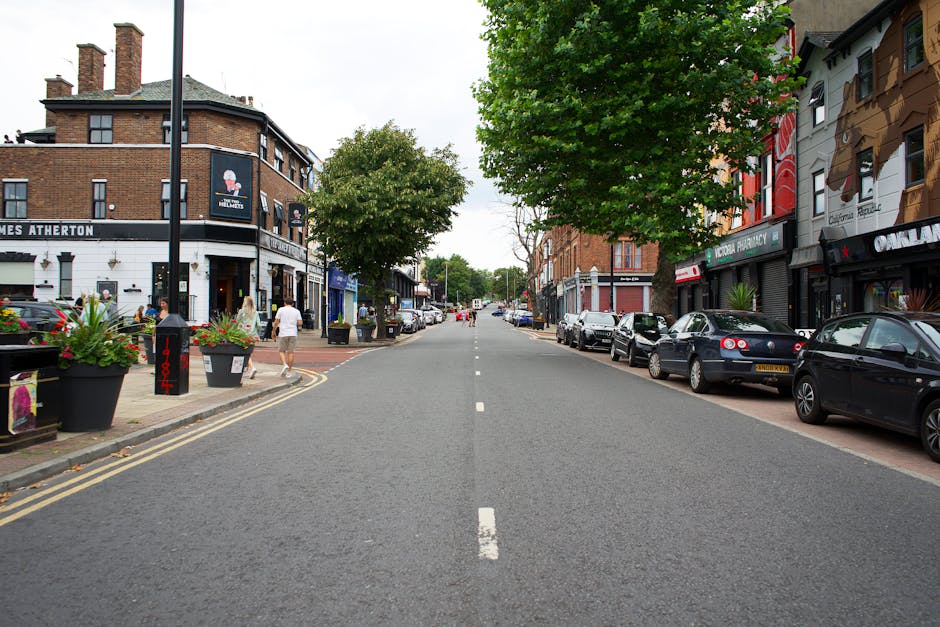
On Beckenham High Street, access issues often come from a mix of local conditions rather than one single problem. You may be dealing with busy traffic, limited waiting space, shared courtyards, tight stairwells, or a property above ground-floor level. If the move is not planned around those constraints, you can end up with longer loading times, more manual carrying, and a higher chance of damage. Nobody wants that.
It also matters because narrow access affects cost and timing. A move that looks "small" can take longer if the team needs to park further away or break the job into short carrying stages. Good advice helps you budget honestly and choose the right sort of vehicle, team size, and packing approach from the start.
There is also a trust issue here. When somebody tells you narrow access is "fine" without asking about stair width, vehicle stopping points, or furniture size, that is not reassurance. That is guesswork. Proper removals planning is built on measurements, observation, and a few practical questions that save a lot of grief later on.
How Removals Beckenham High Street advice for narrow access Works
The process usually starts with access checking. That sounds simple, but it should cover more than "will a van fit outside?" You want to think about route width, steps, corners, pavement clearance, lift access if relevant, turning space, loading restrictions, and the distance between the property and where the vehicle can legally and safely stop.
Next comes matching the move to the property. For example, a house removals service in Beckenham may be right for a full family property, but a compact flat above retail units might be better suited to a more flexible setup. In tighter spaces, smaller vehicles, shuttle-style carrying, or a well-timed split load can often be more effective than trying to force a large van into a difficult spot.
Then comes packing and loading order. In narrow-access situations, the loading plan matters almost as much as the vehicle. Heavy items should usually be staged near the exit, smaller boxes grouped logically, and fragile items separated so the team is not constantly weaving back and forth through tight corridors. That is where a good pack-up really pays off.
Finally, the moving team should sequence the day sensibly. In many cases, the best approach is to load the largest and most awkward items first while everyone is fresh, then complete the boxes and lighter pieces. If access is really tight, the team may need to work in shorter bursts rather than one continuous stream. It is a bit more stop-start, yes, but that can actually make the day smoother.
Key Benefits and Practical Advantages
Good narrow-access advice does more than reduce hassle. It creates a move that is safer, faster, and more predictable.
- Less damage risk: fewer awkward turns, fewer rushed lifts, and less chance of furniture being scraped against walls or stair edges.
- Better time control: when the access plan is clear, the job is easier to schedule realistically.
- Smarter vehicle choice: a smaller van or a different loading method may save more time than using a bigger vehicle and getting stuck.
- Lower stress: everyone knows where the vehicle can stop, what comes out first, and how the route works.
- Improved cost clarity: narrow access often adds complexity, so planning early helps avoid surprise adjustments.
There is a quieter benefit too: it keeps the day socially manageable. A move through a narrow entrance can quickly become awkward if neighbours, shop staff, or pedestrians are blocked. A well-planned move is simply more considerate. And that matters on a busy high street where people are trying to get on with their day.
If you are moving within a building with a lot of furniture, it can help to review furniture removals in Beckenham as part of your planning. If your move is a smaller load or you only need flexible vehicle support, man and van services in Beckenham may suit the access conditions better than a larger removal setup.
Expert summary: narrow-access removals work best when the route, vehicle, and furniture plan are designed together. If one part is off, the whole move feels harder than it should.
Who This Is For and When It Makes Sense
This advice is for anyone moving in a location where the van cannot sit directly outside the door, where stairways are tight, or where the loading path is short but fiddly. That includes tenants, homeowners, landlords, students, and small businesses. In Beckenham, you will often see this pattern in converted properties, upper-floor flats, and mixed-use buildings close to the High Street.
It makes particular sense if you are moving:
- a flat above a shop or cafe
- a house with a narrow front path or side access
- an office with limited kerb space for loading
- large furniture that has to be turned through doors or landings
- items that need extra care, such as glass, mirrors, or instruments
If you are in a time-sensitive situation, the planning becomes even more important. For example, a same-day move can be perfectly doable, but only if the access conditions are understood early. You can see how this fits with same-day removals in Beckenham when speed matters and the route needs careful handling.
Students moving into a shared flat, for instance, often underestimate how much can happen in a very small hallway. Then suddenly there is a mattress, two boxes of books, a bike, and a lamp with nowhere to hide. It happens. More often than people admit.
Step-by-Step Guidance
1. Measure the actual access, not the guessed version
Start with the basics. Measure the doorway width, stair width, landings, and any bends or low ceilings that could affect larger items. Measure the distance from the closest safe parking point to the property entrance as well. This gives a more honest idea of how much carrying will be involved.
2. Identify the real bottlenecks
Is the issue the entrance, the stairwell, the parking, or the turning circle? Different problems need different fixes. A narrow front door may need better dismantling, while poor parking may need a smaller vehicle or a quicker loading plan.
3. Sort items by difficulty
Put bulky, awkward, and fragile items at the top of your list. Wardrobes, sofas, dining tables, and beds often need to be dismantled or carried at an angle. Boxes can usually be handled more flexibly. This is why packing and boxes in Beckenham can play a major role in making tight moves easier.
4. Decide whether dismantling is worth it
Sometimes dismantling saves time. Sometimes it introduces more risk if the item is weak or tricky to rebuild. A removal team should make that judgement case by case rather than forcing every item into the same approach.
5. Choose the right vehicle size
Bigger is not always better. In narrow-access areas, a medium or smaller van can sometimes make the whole move quicker because it can stop closer and work more efficiently. That is especially true where parking is tight or turn-in space is limited.
6. Prepare a loading zone
If you can do so safely and legally, clear the exit route before the moving team arrives. Keep hallways free of loose shoes, coats, and random storage boxes. It sounds minor. It really is not.
7. Build in a buffer
Allow a little more time than you think you need. Narrow-access moves often run smoothly, but they do not like being rushed. A small buffer reduces pressure and helps the team handle the job neatly.
Expert Tips for Better Results
The best narrow-access moves usually come down to a few practical habits.
- Take photos of the access route: a quick set of pictures helps the mover judge space before arriving.
- Label boxes by room and priority: it saves unnecessary handling once the unloading starts.
- Protect corners and doors: simple coverings can stop scuffs in tight hallways.
- Keep essentials separate: if access is awkward, the last thing you want is to search for your kettle or phone charger in a sea of identical boxes.
- Plan around the building's rhythm: if it is a shared block, think about quieter times for moving where possible.
One thing that often gets overlooked is communication with the moving team. If the access is tight, do not just say "it's a bit narrow." Be specific. Say whether the van can stop outside for five minutes, whether there are stairs, whether the lift is small, or whether the staircase turns sharply. Clear detail leads to a better plan. Simple, but effective.
For heavier or more fragile items, specialist support can make a real difference. If a move includes larger household pieces, removal van support in Beckenham may be worth considering alongside the wider service. And if you are handling sensitive items, you may want to look at piano removals in Beckenham because instruments need extra care and planning even when the entrance looks manageable.
Common Mistakes to Avoid
A lot of narrow-access problems are preventable. The trouble is, people tend to discover them at the wrong moment.
- Assuming the van will fit: this is the classic one. A road can look fine until you realise parked cars, bins, or a bend make stopping awkward.
- Forgetting the carry distance: even an extra 20 metres becomes tiring when repeated over dozens of boxes.
- Leaving packing until the last night: rushed packing leads to weak boxes, poor labelling, and avoidable damage.
- Ignoring stair turns: a sofa may fit the doorway but not the landing turn. That one hurts.
- Not checking building rules: some properties have quiet hours, lift booking rules, or loading restrictions.
- Choosing a service solely by price: cheap can be expensive if the job needs more time or extra handling because the access was never reviewed properly.
Another quiet mistake is not thinking about who else uses the space. A narrow access move that blocks neighbours, customers, or deliveries can create friction. The job still gets done, of course, but the day feels a lot less smooth. Better to avoid that awkwardness up front.
Tools, Resources and Recommendations
You do not need specialist kit for every move, but a few basic items help enormously in tight spaces.
- Measuring tape: useful for doorways, furniture widths, and stair landings.
- Furniture sliders: can help with heavier items on suitable floors.
- Protective blankets and covers: useful for walls, furniture, and awkward edges.
- Strong tape and labels: better box organisation means less confusion later.
- Sturdy gloves: helpful for grip and comfort during lifting.
- Clear route photos: simple, but surprisingly useful when discussing access with a mover.
If you are comparing support options, it can help to browse the broader services overview so you can match the scale of help to your access conditions. If storage is needed before or after the move, storage in Beckenham may give you breathing room when you are trying to avoid crowding a tight property with too much at once.
For cost planning, pricing and quotes can help you think through what affects the final figure, especially when access adds time or handling complexity. And if you want to understand the company's working standards, the health and safety policy and insurance and safety information are sensible places to look.
Law, Compliance, Standards, or Best Practice
With narrow-access removals, the key point is not to improvise in a way that creates risk or blocks others. UK moving jobs should be handled with care around public walkways, vehicles, and manual lifting. You do not need to memorise legal wording to know the basics: the move should be safe, reasonably planned, and considerate of access for others.
Best practice usually includes:
- checking whether parking or stopping is permitted where the vehicle needs to wait
- avoiding obstruction of pavements, entrances, and emergency routes
- using safe lifting methods and suitable equipment
- making sure fragile or heavy items are carried by an appropriate number of people
- communicating clearly about site conditions before arrival
If the property is in a shared building or managed block, it is sensible to check building rules in advance. Some places ask for lift bookings, protective coverings, or set moving windows. That may sound fussy, but it is usually there to protect everyone involved, including you. Truth be told, a few minutes of admin can save a lot of lifted eyebrows on the day.
For businesses and landlords, there is also a practical duty to reduce disruption. That does not mean everything must be perfect. It means the move should be organised in a way that is reasonably safe and controlled.
Options, Methods, or Comparison Table
Different access conditions call for different moving methods. Here is a simple comparison to help you think it through.
| Method | Best for | Strengths | Limitations |
|---|---|---|---|
| Small van with close loading | Tight roads, short carry distances, light to medium loads | Flexible, easier parking, quicker stop-start loading | Limited capacity, may need more trips |
| Medium van and staged loading | Mixed access with some parking space | Balanced capacity and manoeuvrability | Still depends on safe stopping space |
| Full removal team with split load | Larger homes, multiple rooms, awkward furniture | More manpower, better for heavy or bulky items | Usually higher cost, more coordination needed |
| Self-managed carrying with van support | Smaller moves, student or single-room relocations | Budget-friendly and adaptable | More physical effort, less protection for fragile items |
Which method is best? That depends on access, volume, and furniture shape more than on the address itself. A compact move in a difficult building can be harder than a bigger move in a spacious one. That is why experienced planning beats assumptions every time.
Case Study or Real-World Example
Picture a second-floor flat near Beckenham High Street with a narrow staircase and no direct van parking outside the front door. There is a small loading gap around the back, but it is not wide enough for anything larger than a compact vehicle. The tenant has a sofa, a bed frame, three book boxes, kitchenware, and a couple of fragile mirrors.
Rather than trying to force the move into one rushed block, the plan is split into stages. The bed is dismantled before the van arrives. Mirrors are wrapped and loaded first so they do not get buried under heavier items. The van stops at the nearest practical point, and the carry route is kept clear. The team uses shorter carries, but the loading order means nothing is constantly being reshuffled.
The outcome is not glamorous, but it is exactly what a good move should be: controlled, safe, and uneventful in the best possible sense. The tenant gets settled without a broken lamp, and the staircase stays scuff-free. That kind of result rarely comes from luck. It comes from planning the move around the access, not the other way round.
If that example sounds familiar, it may also help to look at flat removals in Beckenham or student removals in Beckenham, depending on the scale of your move. Both scenarios often involve compact spaces and practical carrying challenges.
Practical Checklist
Use this checklist before moving day. It is simple, but it catches the things people forget when they are busy packing and juggling keys.
- Measure the narrowest doorway, stair section, and landing
- Confirm the closest safe vehicle stopping point
- Check whether parking or loading restrictions apply
- Photograph the access route from street to door
- Identify items that need dismantling
- Pack fragile items separately and label them clearly
- Keep essential items in one easy-to-find bag or box
- Clear hallways, stairs, and entrances before the team arrives
- Tell the movers about any awkward bends, low ceilings, or shared entrances
- Leave a little extra time for loading and unloading
For office moves or commercial spaces, the same checklist still works, though you will probably want to add printer cables, signage, IT kit, and access to keys or entry codes. If that is your situation, the office removals page for Beckenham is a relevant point of reference.
Conclusion
Narrow access on Beckenham High Street does not have to make your move difficult. With the right measurements, a sensible loading plan, and a vehicle choice that matches the property rather than the wishful version of it, the whole process becomes much more manageable. The key is to plan for the space you actually have, not the space you hope is there.
In other words, good removals work is about judgement. A little realism upfront saves a lot of dragging, lifting, and last-minute improvising later. And honestly, that is what most people want from a move: no drama, no damage, just a clean start in the new place.
If you are comparing options or trying to figure out the best approach for a tight entrance, take a careful look at the available support and choose the one that fits your access, furniture, and timing. That usually ends up being the cheapest way in the long run as well.
Get a free quote today and see how much you can save.
And when the boxes are finally stacked and the kettle is on, you will be glad you took the access seriously from the start.